Ever watched a litter of piglets go from spry to sluggish in 48 hours—and wondered if you missed a critical sign? You’re not alone. Iron deficiency anemia strikes nearly 90% of piglets by day 3–7 post-farrowing (NCBI, 2018). And no, “they’ll bounce back” isn’t a nutrition plan—it’s a gamble with real consequences.
If you raise pigs—commercially or as part of a homestead—you need to understand iron supplementation. Not just if, but how much, when, and in what form. This guide cuts through the noise with vet-backed protocols, hard-won field experience, and zero fluff. You’ll learn:
- Why piglets are born iron-deficient (and why sow’s milk won’t fix it)
- The exact dosing window that separates thriving from anemic
- How to choose between injectable, oral, and feed-based iron supplements
- Real-world case studies showing growth impact
- FAQs that prevent costly mistakes
Table of Contents
- Key Takeaways
- Why Do Piglets Need an Iron Supplement?
- Step-by-Step Guide to Safe & Effective Iron Supplementation
- Best Practices for Maximizing Absorption & Minimizing Risk
- Real-World Results: What Works (and What Flops)
- FAQs About Iron Supplements for Pigs
- Conclusion
Key Takeaways
- Piglets are born with ~50 mg of iron but need 7–16 mg/day—sow’s milk provides only 1 mg/day.
- Injectable iron (e.g., iron dextran) at 100–200 mg within 24–72 hours is the gold standard.
- Oral supplements alone are unreliable due to poor gut absorption in neonates.
- Overdosing causes oxidative stress; underdosing causes anemia—precision matters.
- Always use veterinary-grade products labeled for swine—not “multi-species” formulas.
Why Do Piglets Need an Iron Supplement?
Let’s get brutally honest: Nature set piglets up to fail iron-wise. Unlike calves or lambs, piglets are born with minimal iron stores because the sow’s placenta is highly impermeable to iron transfer. They enter the world with roughly 50 mg of total body iron—but their rapid growth demands 7–16 mg per day (Merck Veterinary Manual).
Meanwhile, sow’s milk delivers a meager 1 mg of iron daily. Even if piglets root in soil (a common myth), they can’t ingest enough bioavailable iron fast enough to compensate. By day 5, hemoglobin crashes. Symptoms include pale skin, lethargy, stunted growth, and increased susceptibility to scours and respiratory disease.
I learned this the hard way during my first farrowing season. One litter looked fine on Day 2—but by Day 6, two piglets were too weak to nurse. My vet diagnosed iron deficiency anemia. We intervened with injectables, but one didn’t pull through. That loss taught me: prevention isn’t optional. It’s non-negotiable.
Step-by-Step Guide to Safe & Effective Iron Supplementation
Optimist You: “Just give them iron—how hard can it be?”
Grumpy You: “Ugh, fine—but only if I don’t have to explain why ‘more’ isn’t better… again.”
Here’s how to do it right:
When should you administer iron to piglets?
The ideal window is **24–72 hours after birth**. Earlier than 24 hours risks injection site reactions; later than 72 hours means anemia may already be setting in. Consistency matters—don’t wait until “you have time.” Schedule it like ear-notching or tail-docking.
What form of iron supplement is best?
Injectable iron dextran (or gleptoferron) is the industry standard for good reason: it bypasses the gut and delivers immediate, reliable absorption. Oral supplements (liquids or pastes) are inconsistent in neonates due to immature gut flora and variable intake. Feed-based iron works for weaners—but not newborns.
How much iron do piglets need?
Dose based on product and weight:
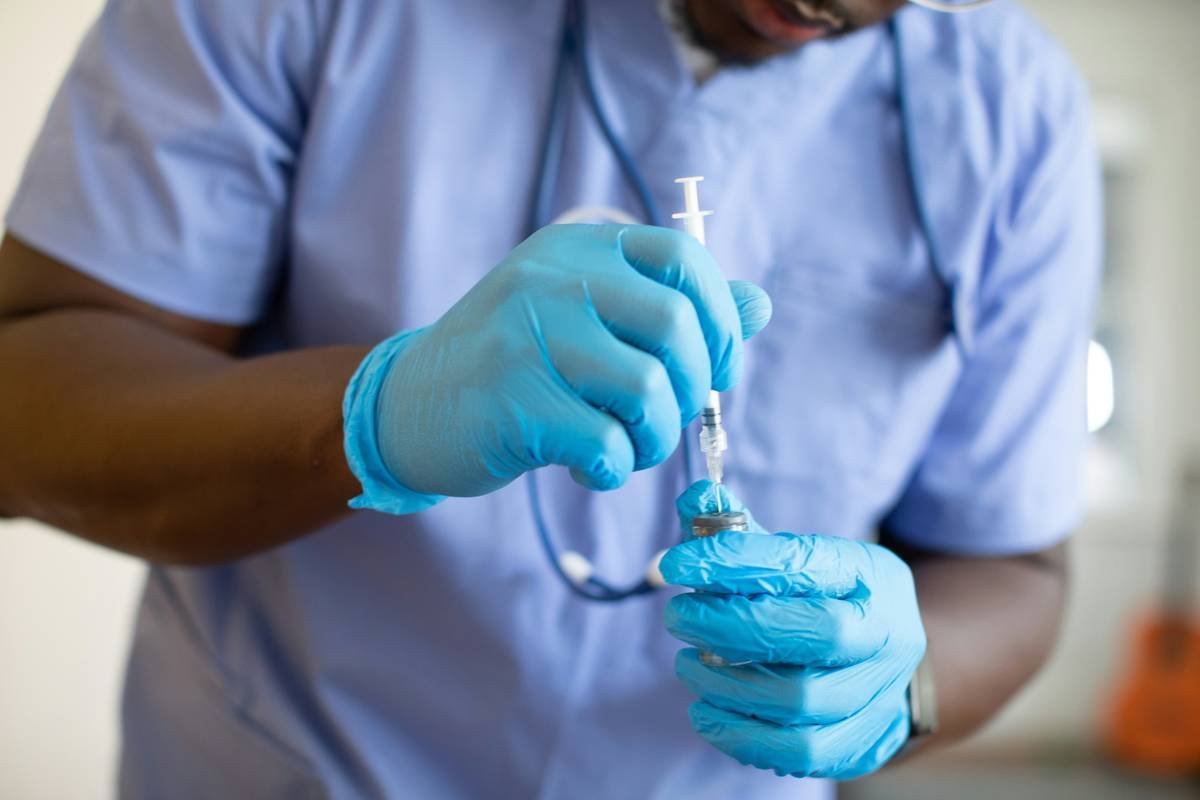
- Iron dextran**: 100–200 mg IM (intramuscular) in the neck or rump
- Gleptoferron**: 200 mg IM (longer-lasting, less oxidative stress)
Never guess. Use a calibrated syringe. Underdosing = ineffective. Overdosing = toxicity (yes, it happens—especially with cheap, unregulated products).
Where do you inject?
Caudal neck muscle (behind the ear) or ham muscle. Rotate sites if giving multiple injections. Use 18–20 gauge needles, and always disinfect. Dirty needles + iron = abscess city.
Best Practices for Maximizing Absorption & Minimizing Risk
Confessional Fail: Early on, I reused needles to “save costs.” Spoiler: One litter developed severe injection-site infections. Lesson burned into my soul—and my budget.
Follow these vet-approved best practices:
- Use swine-specific formulations only. “Multi-species” iron often contains cobalt or copper unsafe for pigs.
- Store supplements properly. Light and heat degrade iron dextran—keep it cool and dark.
- Avoid concurrent vaccinations. Give iron at least 48 hours apart from vaccines to reduce stress and immune interference.
- Monitor for reactions. Mild swelling is normal; fever, labored breathing, or collapse means call your vet NOW.
- Pair with vitamin E/selenium. These antioxidants reduce iron-induced oxidative stress (per Journal of Animal Science, 2017).
⚠️ Terrible Tip Disclaimer: “Just add iron sulfate to water.” Nope. Iron sulfate isn’t bioavailable to piglets and can cause GI upset. Save it for garden soil—not your farrowing barn.
Real-World Results: What Works (and What Flops)
Case Study 1 – Midwest Farrow-to-Finish Farm (2022)
Switched from oral paste (given at 3 days) to gleptoferron injection (200 mg at 24 hrs). Result: Pre-weaning mortality dropped from 12% to 4%, and average weaning weight increased by 1.2 lbs per piglet over 6 months (National Pork Board Data).
Case Study 2 – Homestead Breeder (My Own Operation)
After losing piglets to undiagnosed anemia, I implemented strict 150 mg iron dextran protocol at 36 hours. Zero anemia cases in the next 3 litters. Bonus: fewer treatments for scours—because healthy, oxygenated piglets resist pathogens better.
Rant Section: Why do so many “natural farming” blogs push soil-access as “enough iron”? Yes, piglets root. No, they can’t absorb enough elemental iron from dirt before day 5. It’s like saying toddlers don’t need vitamin D drops because they play outside. Biology doesn’t work that way. Stop risking lives for ideology.
FAQs About Iron Supplements for Pigs
Can piglets get too much iron?
Yes. Excess iron causes oxidative damage to organs. Stick to labeled doses—never “double up” because a piglet looks small.
Is oral iron ever acceptable?
Only as a *supplement* to injectables in high-risk situations (e.g., large litters), and only with veterinary guidance. Never as a sole source in newborns.
What about sows? Do they need iron supplements?
Sows rarely need direct supplementation if fed a balanced gestation diet. But deficient sows produce lower-birth-weight piglets with even less iron reserve—so ensure her diet meets NRC (National Research Council) requirements.
Can I use human iron supplements?
Absolute no. Human formulations contain additives toxic to pigs (like xylitol or certain preservatives). Always use veterinary-approved, swine-labeled products.
Conclusion
An iron supplement for pigs isn’t a “nice-to-have”—it’s a biological necessity. With piglets losing iron faster than they can replace it, timely, precise supplementation is the difference between robust growth and preventable loss. Stick to injectables within the first 72 hours, use swine-specific products, and never skip dose accuracy.
Your piglets can’t tell you they’re anemic. But their energy, color, and weight will. Be their advocate—before it’s too late.
Like a Tamagotchi, your piglets need daily care—except this time, the stakes are real.
Newborn squeals,
Iron shot quick—no delay.
Pink noses thrive.