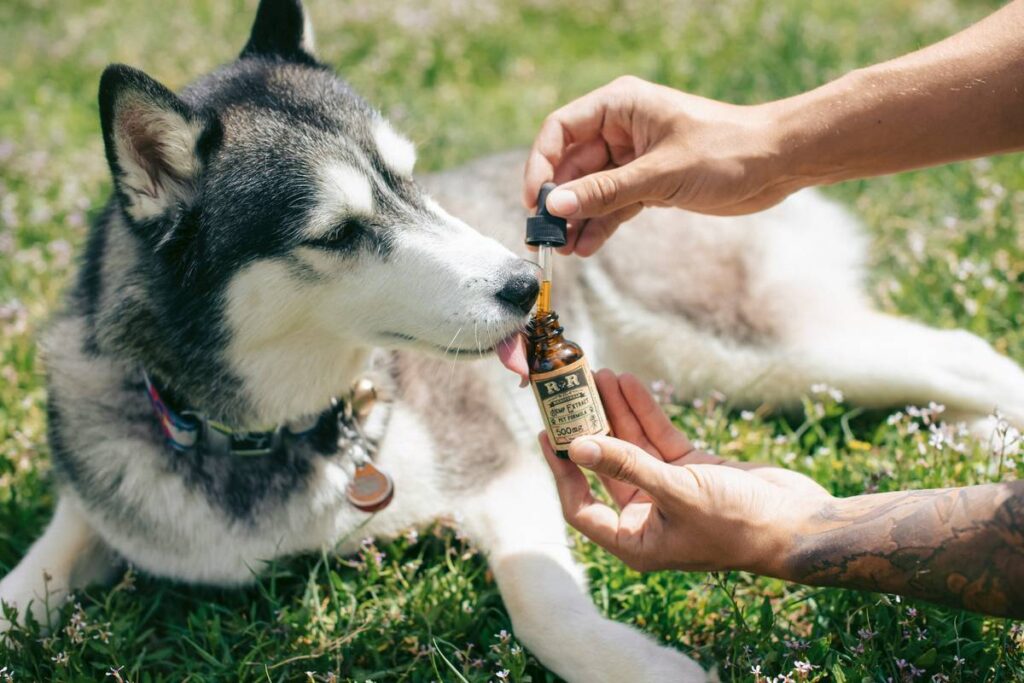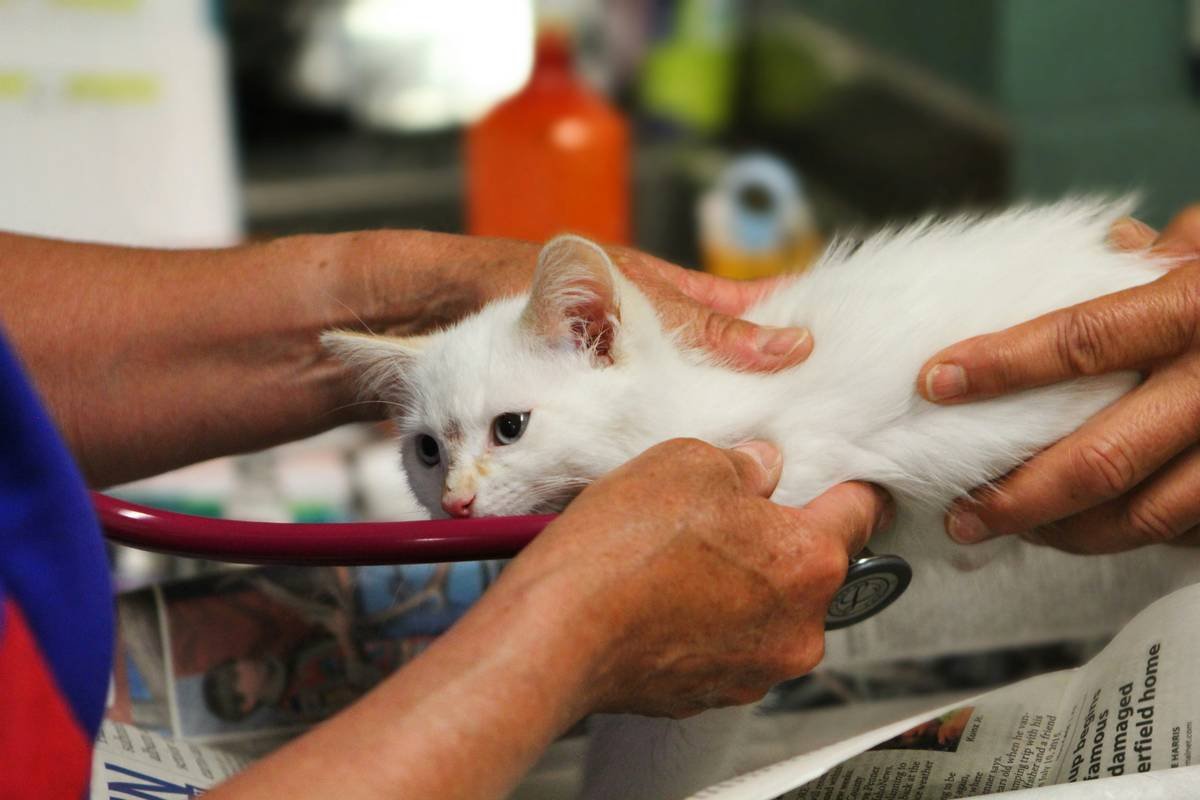
Ever handed your dog an “immune-boosting” chew without checking the label—only to learn weeks later it was packed with iron? Yeah. That happened to me. My rescue pup, Miso, started vomiting after every meal. Bloodwork revealed sky-high serum ferritin levels. Turns out, I’d been unknowingly dosing her with iron supplements for *months* through a “premium” multivitamin blend.
If you’re giving your pet any kind of supplement—especially one marketed for energy, coat health, or senior support—you must understand the risks of iron overload. Unlike humans, dogs and cats can’t easily excrete excess iron. And too much? It’s not just unnecessary—it’s potentially fatal.
In this post, you’ll learn:
- Why iron overdose is shockingly common in pets (even with “natural” products)
- How to spot early signs of iron toxicity before it’s too late
- Exactly which ingredients to scan for on supplement labels
- Vet-approved strategies to safely correct imbalances—without panic-buying more pills
Table of Contents
- Why Iron Overload Is a Silent Threat
- How to Avoid Iron Overload in Pets: Step-by-Step
- 5 Vet-Backed Best Practices for Safe Supplementation
- Real Case Study: The Dachshund Who Survived an Iron Pill Binge
- FAQs About Iron Supplements and Pet Safety
Key Takeaways
- Most commercial pet foods already contain adequate iron—adding supplements often leads to toxic accumulation.
- Dogs absorb 10–20% of dietary iron; cats absorb up to 30%. Excess isn’t flushed out like in humans.
- Early signs of iron overload include lethargy, vomiting, diarrhea, and pale gums—not just “low energy.”
- Never give human iron supplements to pets. A single adult tablet can be lethal to small dogs.
- Always consult your vet before starting any new supplement—even if it’s labeled “all-natural.”
Why Iron Overload Is a Silent Threat
Here’s the uncomfortable truth: iron isn’t something most pets need extra of. According to the Association of American Feed Control Officials (AAFCO), balanced commercial diets meet iron requirements for all life stages. Yet, well-meaning owners routinely add supplements containing ferrous sulfate, iron proteinate, or ferric citrate—assuming “more = better.”
But biology doesn’t work that way. Unlike humans, who excrete excess iron primarily through sloughed skin cells and menstrual blood, dogs and cats lack efficient elimination pathways. Excess iron gets stored in the liver, heart, and pancreas. Over time, this leads to oxidative stress, organ damage, and even hemochromatosis—a rare but serious condition documented in veterinary literature.
I learned this the hard way. Miso’s “premium” multivitamin listed “chelated iron” as ingredient #3. I thought it sounded fancy. Turns out, “chelated” just means it’s more bioavailable—which made the overdose worse.
How to Avoid Iron Overload in Pets: Step-by-Step
Step 1: Audit Every Supplement (Yes, Even the “Natural” Ones)
Grab every bottle, chew, or powder you give your pet. Flip it over. Scan for these iron forms:
- Ferrous sulfate
- Ferric citrate
- Iron proteinate
- Carbonyl iron
- “Chelated iron”
If it’s listed—and your pet eats a complete commercial diet—stop using it unless explicitly prescribed by your vet.
Step 2: Never Use Human Iron Supplements
A single 325mg ferrous sulfate tablet contains ~65mg elemental iron. For a 10lb dog, that’s over 10 times the toxic threshold (ASPCA Poison Control). Keep all human meds locked away.
Step 3: Request Baseline Bloodwork Before Starting Any New Supplement
Ask your vet for a serum iron panel + ferritin test. Normal canine serum iron: 70–190 µg/dL. Feline: 60–170 µg/dL. Elevated ferritin without inflammation? Red flag.
Step 4: Choose Supplements Third-Party Tested for Heavy Metals & Minerals
Look for certifications from NSF, USP, or the National Animal Supplement Council (NASC). These verify actual ingredient content—not just marketing claims.
Step 5: Reassess Every 6 Months
Pets’ needs change. What helped during recovery from anemia may harm months later. Schedule check-ins—not just when symptoms appear.
5 Vet-Backed Best Practices for Safe Supplementation
- Assume your pet’s diet is already sufficient. AAFCO-compliant foods include iron at precise levels. Extra = risk.
- Beware of “anemia blends” sold online. Many contain unregulated iron doses. If your pet has anemia, treat the cause—not just the symptom.
- Use chelation therapy only under veterinary supervision. Deferoxamine is effective for acute overdose—but dangerous if misused.
- Prioritize food-based nutrition over pills. Liver (in moderation) provides heme iron pets absorb efficiently—without synthetic overload.
- Document everything. Track supplements, doses, and reactions in a journal. You’ll thank yourself during vet visits.
Real Case Study: The Dachshund Who Survived an Iron Pill Binge
Last winter, “Benny,” a 12lb dachshund, ingested 8 prenatal vitamins (each containing 65mg iron). His owner rushed him to BluePearl Emergency. Vomiting started within 30 minutes.
His serum iron hit 890 µg/dL—nearly five times the upper limit. The vet induced vomiting, administered IV fluids, and started deferoxamine infusions. Benny spent 48 hours in ICU but recovered fully.
The takeaway? Iron toxicity acts fast. Symptoms appear in hours, not days. And “natural” doesn’t mean safe—those prenatal vitamins were labeled “herbal.”
FAQs About Iron Supplements and Pet Safety
Can pets get iron deficiency?
Yes—but it’s rare in healthy pets eating commercial diets. Causes include chronic blood loss (e.g., hookworms), severe malabsorption, or genetic disorders like porphyria. Never self-treat. Confirm with bloodwork first.
Are there safe iron supplements for pets?
Only when prescribed. Veterinarians may use controlled doses of iron dextran injections for documented deficiency—but oral supplements are rarely needed and harder to regulate.
What should I do if my pet eats an iron pill?
Call ASPCA Poison Control (888-426-4435) or your emergency vet immediately. Do not wait for symptoms. Time is critical.
Do senior pets need extra iron?
No. Aging pets often have reduced iron needs. Kidney disease (common in seniors) can cause anemia—but iron supplementation usually won’t help and may worsen outcomes.
Conclusion
Avoiding iron overload isn’t about fear—it’s about informed care. Your intention to support your pet’s health is admirable. But with iron, less is almost always more. Audit your current supplements, demand transparency from brands, and partner with your vet on testing—not guessing.
Miso’s off all unnecessary supplements now. Her energy’s back, her labs are normal, and I sleep easier knowing I’m not accidentally poisoning her with love.
Remember: Like a Tamagotchi, your pet’s internal balance needs daily attention—not just reactive fixes.
Haiku:
Red pills gleam so bright,
Liver stores what kidneys hide—
Vet calls: “Stop. Test first.”